
- Cheap
- Phenomenal battery life
- Nice choice of colours
- No pressure sensor
- Light on features
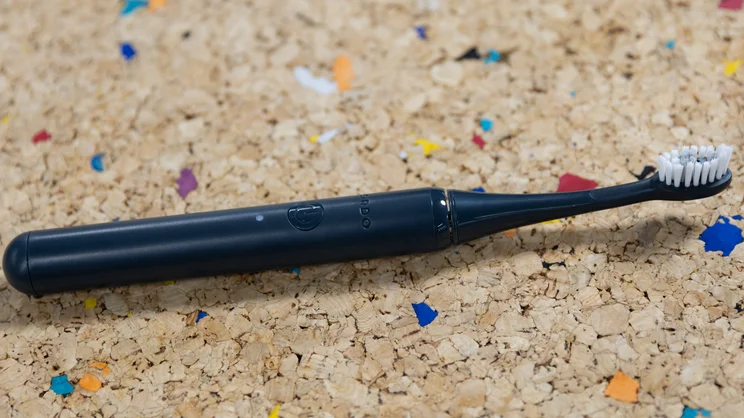
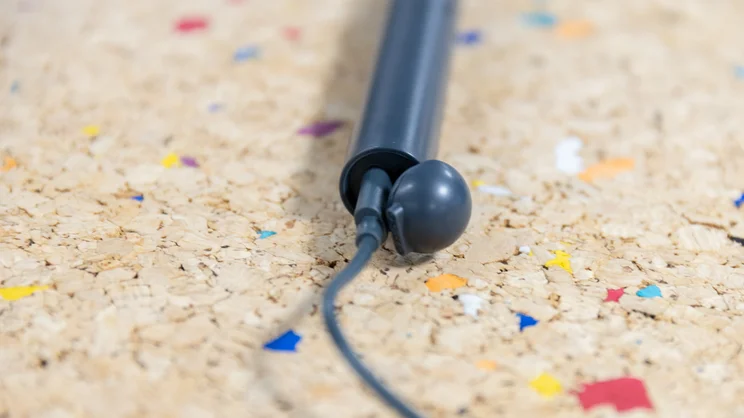
- Can’t stand upright
When the best electric toothbrushes can cost anywhere between £50 to £400, “high-quality, affordable oral care” sounds like a breath of fresh, minty air. That’s what sonic toothbrush brand Ordo claims to prioritise, and its latest offering – the Sonic Edge – aims to deliver on that promise.
At just £15, this is one of the cheapest electric toothbrushes we’ve reviewed, and initial impressions suggest it’s a strong contender for the title of best budget brush. There are some obvious limitations, though – sacrifices that Ordo has perhaps had to make in order to keep costs low. While these sacrifices might amount to deal-breaking drawbacks for some, its low price may well justify them for others.
Price aside, though, there’s one other quality of the Ordo Sonic Edge that seriously impressed me. Read on for my full review.
Ordo Sonic Edge: What do you get for the money?
The Ordo Sonic Edge is a basic sonic toothbrush with very few features, which is unsurprising at only £15. There’s just one brushing mode, which delivers 35,000 sonic pulses a minute – that’s the same as Ordo’s Sonic Lite toothbrush.
The inbuilt “quad pacer” (or “timer” if you’d rather strip away the marketing jargon) pulses every 30 seconds to prompt the user to move onto the next quadrant of the mouth, before switching off the brush after two minutes.
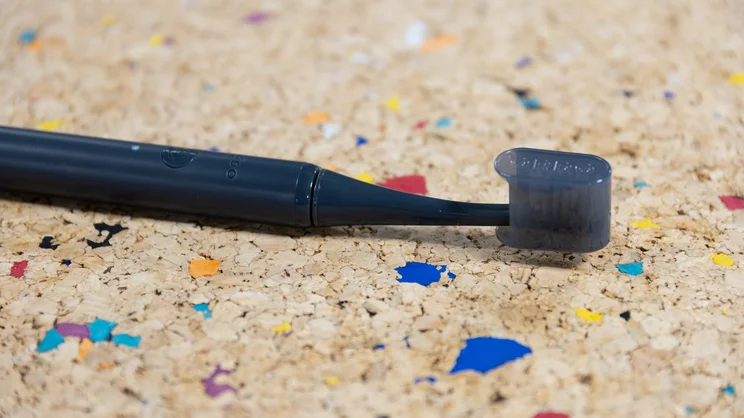
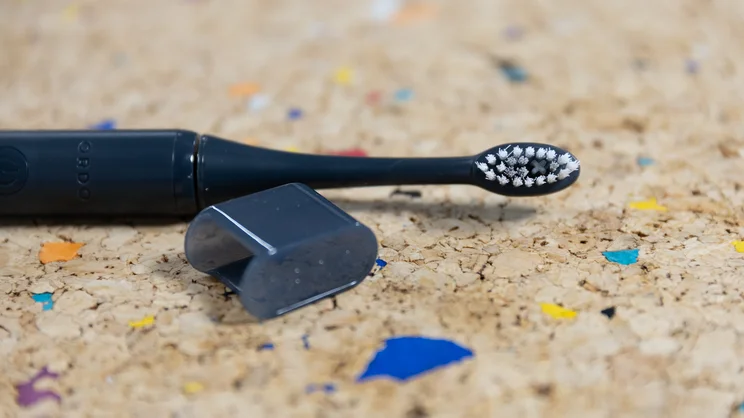
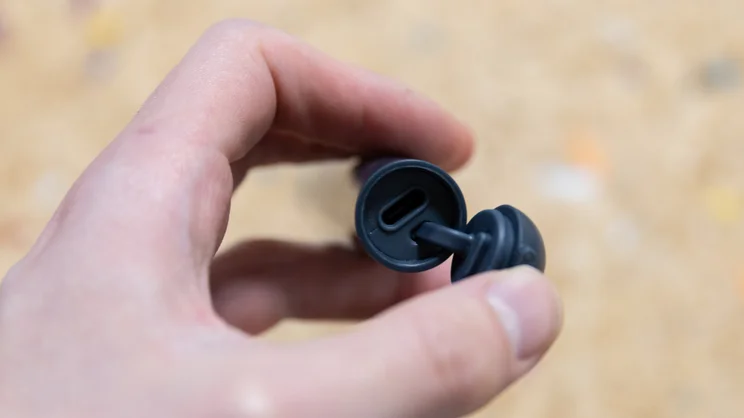
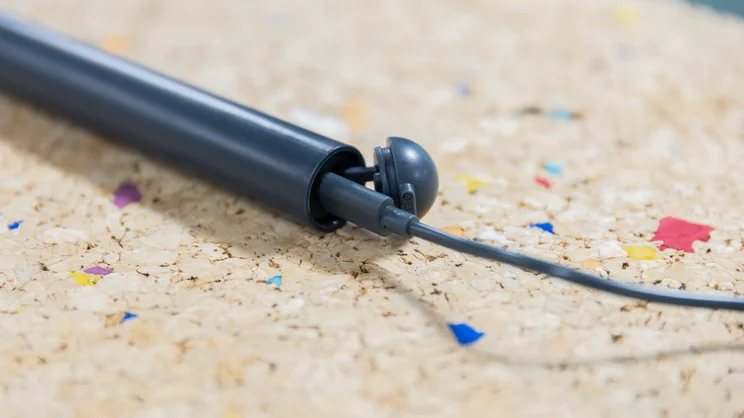
Beyond that, there’s very little else to speak of in the way of features. The Sonic Edge charges via USB-C at the base of the brush, with a removable cap to protect the port from getting wet. Charging time is three hours, according to the brush’s specifications, while Ordo claims battery life of over six weeks. You get a charging cable included in the box, alongside one brush head and a small plastic travel cap to protect its bristles.
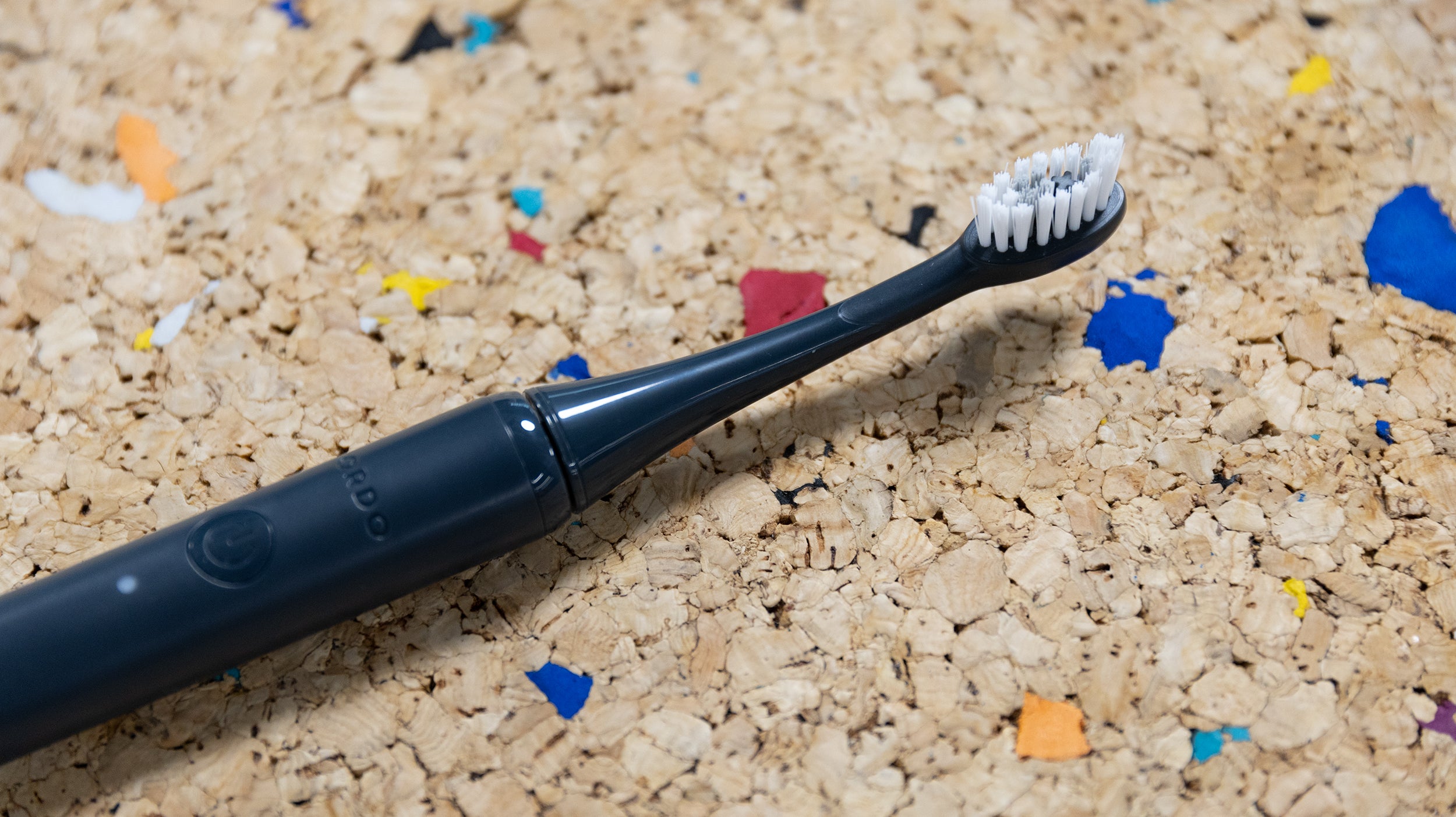
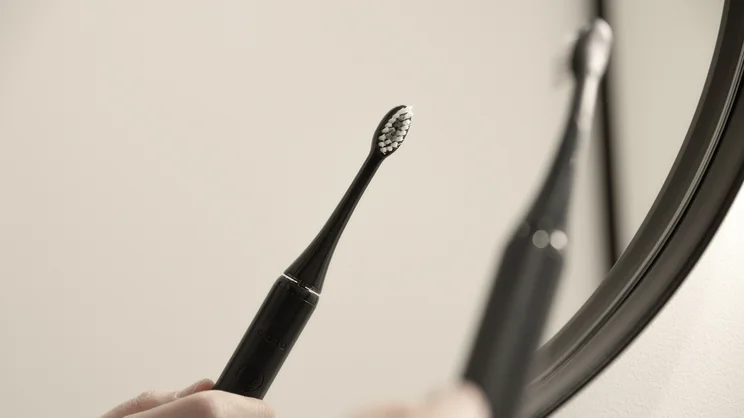
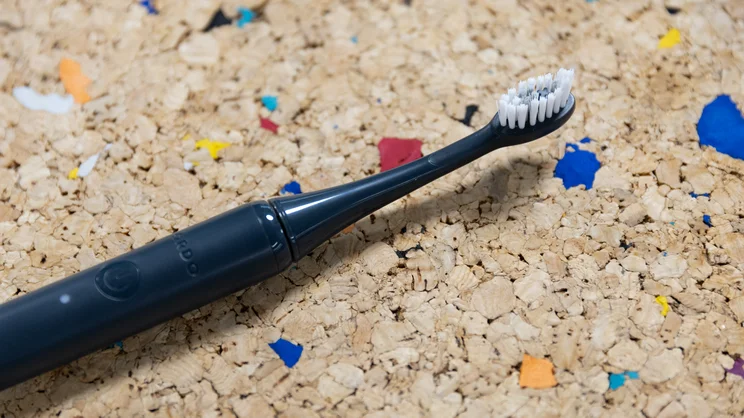
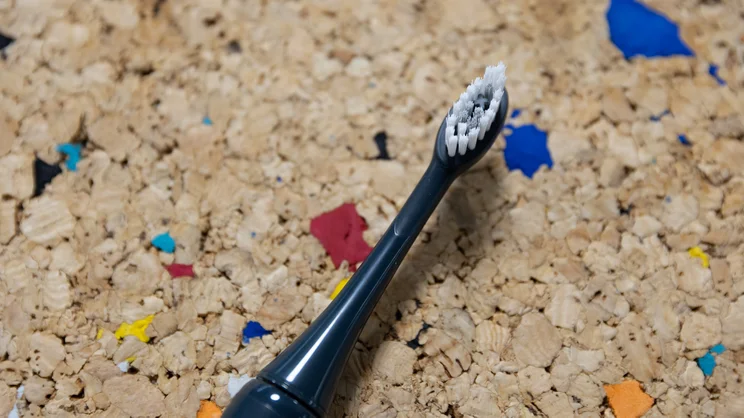
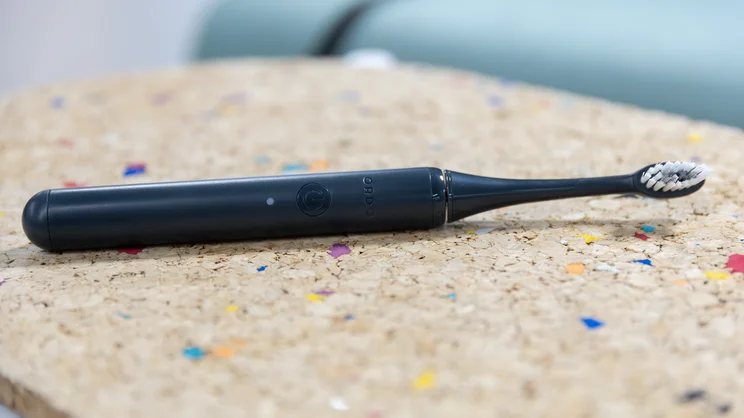
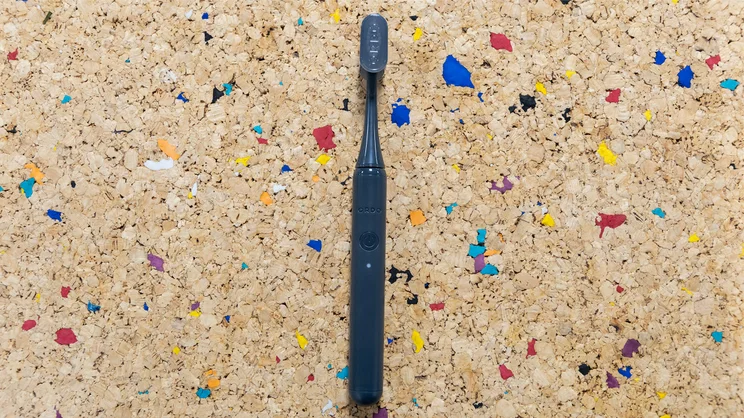
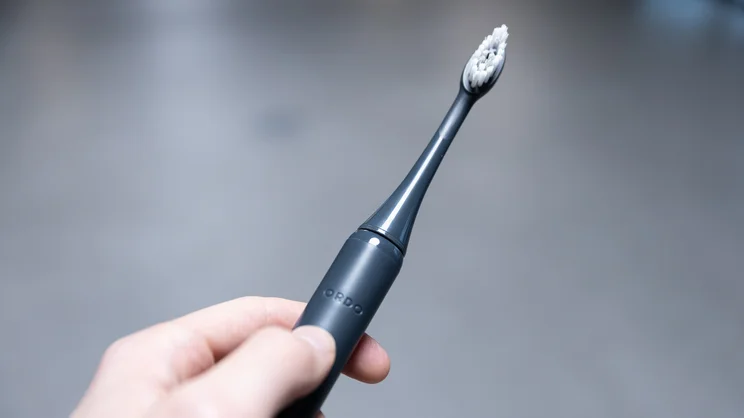
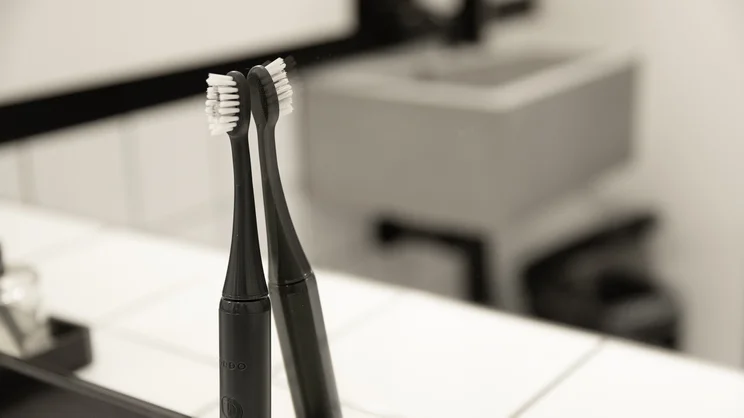
The standard Ordo Sonic Edge is available in a choice of seven colourways, including some notably vibrant options such as “Peach Sunrise”, “Paradise Pink” and “Lime Sorbet”. And for an extra £10, there are two limited edition Wicked-inspired designs: “Wicked Green” and “Popular Pink”. I was sent the Charcoal variant to review – keeping things sophisticated as always.
I’ve not come across many other sonic toothbrushes this cheap. Of all the electric toothbrushes we’ve tested at Expert Reviews, the only rival to the Ordo Sonic Edge in terms of price would be the Bitvae D2. This retails for £25, but usually sells for less on Amazon. A worthy rival it is too: the D2 has five brushing modes, vibrates at 40,000 pulses per minute, and comes bundled with a travel case, as well as eight brush heads. Bitvae’s brush head replacements are half the price of Ordo’s too, at £10 for four instead of £20.
What’s it like to use?
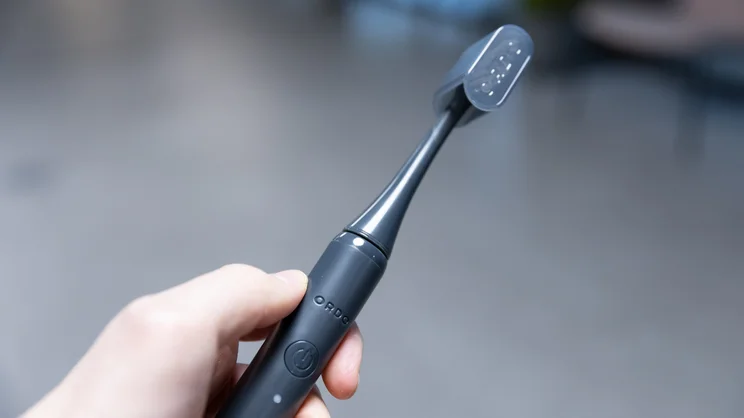
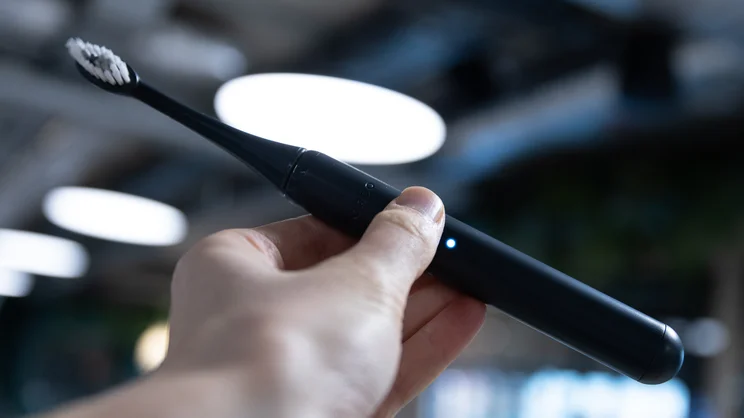
What the Ordo Sonic Edge lacks in features, it makes up for in simplicity. With just one button on the handle, it couldn’t be easier to use, and the pulsating timer makes it more-than-clear when you need to move onto a new section of your mouth.
The build quality doesn’t feel as solid as other brushes, especially the Suri 2.0 with its sleek aluminium body, but at one seventh the price, that’s entirely forgivable. The Sonic Edge still feels lightweight and easy to manoeuvre, yet reasonably solid.
Considering the Sonic Edge’s budget price, there are a few other notable trade-offs to bear in mind. As mentioned above, there’s only one brushing mode, and you don’t get any app connectivity or smart features to monitor your brushing. I might be prepared to ignore that omission, but I’m less inclined to give it a pass for lacking a pressure sensor.
For those used to brushing with an electric toothbrush, the omission of a pressure sensor might not be a serious, deal-breaking one. However, if you’re in the market for your very first sonic toothbrush, or you’re prone to brushing too hard, you should consider whether spending a little bit more for a brush with a pressure sensor might be a better choice. The Oral-B iO3 rotary toothbrush has one, and you can sometimes find that on sale at Boots for less than £100.
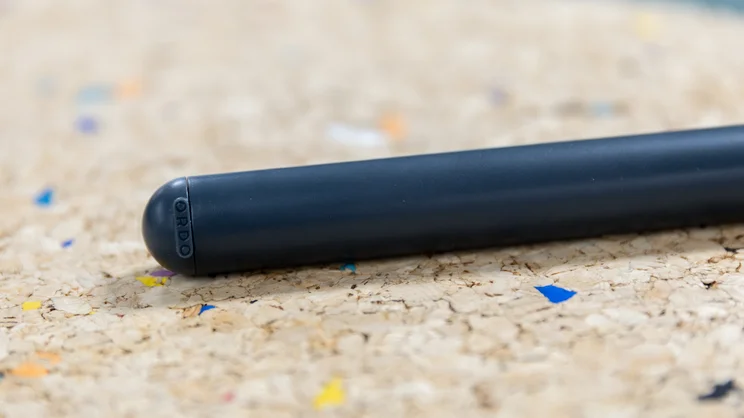
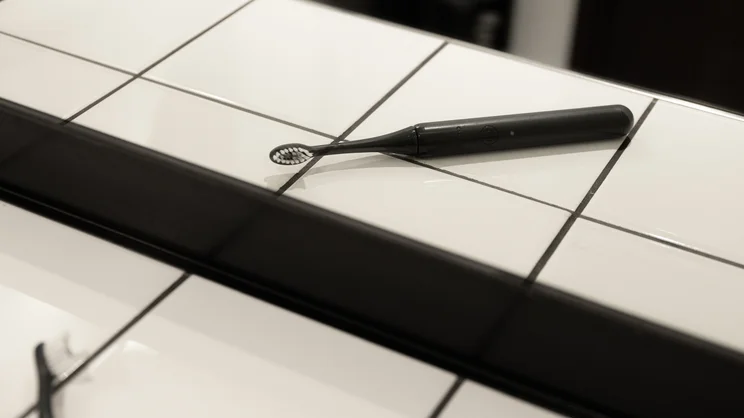
Looking beyond the pressure sensor issue, there’s not much to grumble about – especially for £15. One other design oversight I did make a note of was the Edge’s rounded charging cap. This prevents the toothbrush from standing upright, which could prove irritating. However, it’s not too major an inconvenience having to lie it flat on a bathroom shelf.
How well does it clean?
The Ordo Sonic Edge largely delivers on its “small but powerful” claim, and during test brushes my teeth felt well-cleaned once the two-minute timer was up. On occasion, I switched it back on to make a few more passes, but most of the time this was because I wasn’t super happy with how I’d brushed the first time round. The brush head felt comfortable in my mouth, was easy to manoeuvre and reached the back molars without issue.
I did my usual tests to gauge how well the Sonic Edge cleaned my teeth. For context, this involves chewing a plaque disclosing tablet after brushing, which reveals any lingering plaque by staining the teeth. My tests suggested that the Ordo Sonic Edge had done a good job on the whole, with a few patches showing up on my very front teeth and a few at the upper left. I should add that because I brush left-handed (my dominant hand), I’m inclined to focus on the right side of my mouth, and the disclosing tab tests results reflected this.
I found the bristles on the Sonic Edge felt firmer than other brushes, partially having previously reviewed the comparatively gentle Suri 2.0. In any case, you shouldn’t be pressing down hard or scrubbing aggressively – particularly with an electric toothbrush. But those with sensitive gums should be aware.
How long does the battery last?
The Ordo Sonic Edge excels in the battery life department and outlasted pretty much every other toothbrush we’ve tested.
Ordo quotes a ballpark figure of “6+ weeks”. Assuming you brush your teeth twice a day for two minutes (as you should), six weeks amounts to 84 brushing sessions with the Sonic Edge, or 168 minutes.
In my tests, the Sonic Edge lasted even longer that, completing a whopping 106 brushing sessions before dying. That’s 212 minutes, or 53 days (just over seven and a half weeks). For such an affordable electric toothbrush, this is exceptional performance.
For comparison, the only electric toothbrush we’ve tested that can match this is the Oral-B iO2: a £100 rotary electric toothbrush that, battery life aside, didn’t impress us very much. I’m discounting the 90-day battery life of the AAA-powered Philips One here, since its rechargeable counterpart manages a comparatively shorter 30 days.
The last toothbrush I reviewed, the Suri 2.0, managed around 70 brushes (35 days, or 140 minutes). And Ordo’s budget rival I mentioned earlier, the Bitvae D2, has a claimed battery life of 93 minutes, which is around 23 days.
Should I buy the Ordo Sonic Edge?
To sum up, the Ordo Sonic Edge is a cheap-and-cheerful sonic toothbrush that, while it offers little in the way of features, provides a decent clean and has a brilliant battery life.
The Bitvae D2 trumps it when it comes to features for the price, and you’re saving an awful lot with those eight brush heads. But if you’re on a tight budget and you hate getting caught short by a dead battery you’ve forgotten to charge overnight, the Ordo Sonic Edge is a solid choice. Plus, if you care about aesthetics, I think it looks an awful lot nicer than the Bitvae too.